
A Complete Guide to Piggyback Loft Conversions: Design, Planning, Benefits & Costs

If you’re looking to maximise space without extending outward, a piggyback loft conversion can be a highly effective solution. Particularly suited to homes that already have a ground-floor extension or a bungalow-style layout, this type of loft conversion essentially builds upward to create an entirely new level of usable living space.
In this guide, we’ll break down everything you need to know about piggyback conversions so you can understand how a piggyback loft conversion works, what it may cost, and whether it’s suitable for your property.
What is a piggyback loft conversion?
A piggyback loft conversion involves building a new structure on top of an existing ground-floor extension or rear addition. In simple terms, you’re “piggybacking” on top of a structure that’s already there, rather than extending outwards or altering the main roof alone.
This approach is especially popular for homes with rear extensions, bungalows needing a full additional storey, and properties where garden or outdoor space is limited. Because of this, piggyback loft conversions are often an excellent option for a bungalow loft conversion, a semi-detached loft conversion, or an end of terrace loft conversion as they offer a smart way to significantly increase internal living space without sacrificing valuable outdoor space.
The benefits of a piggyback loft conversion
There are several compelling reasons why homeowners choose this type of conversion:
1. Maximises existing footprint
Rather than extending further into your garden, a piggyback conversion utilises the footprint you already have, making it ideal for properties where outdoor space is limited.
2. Adds significant living space
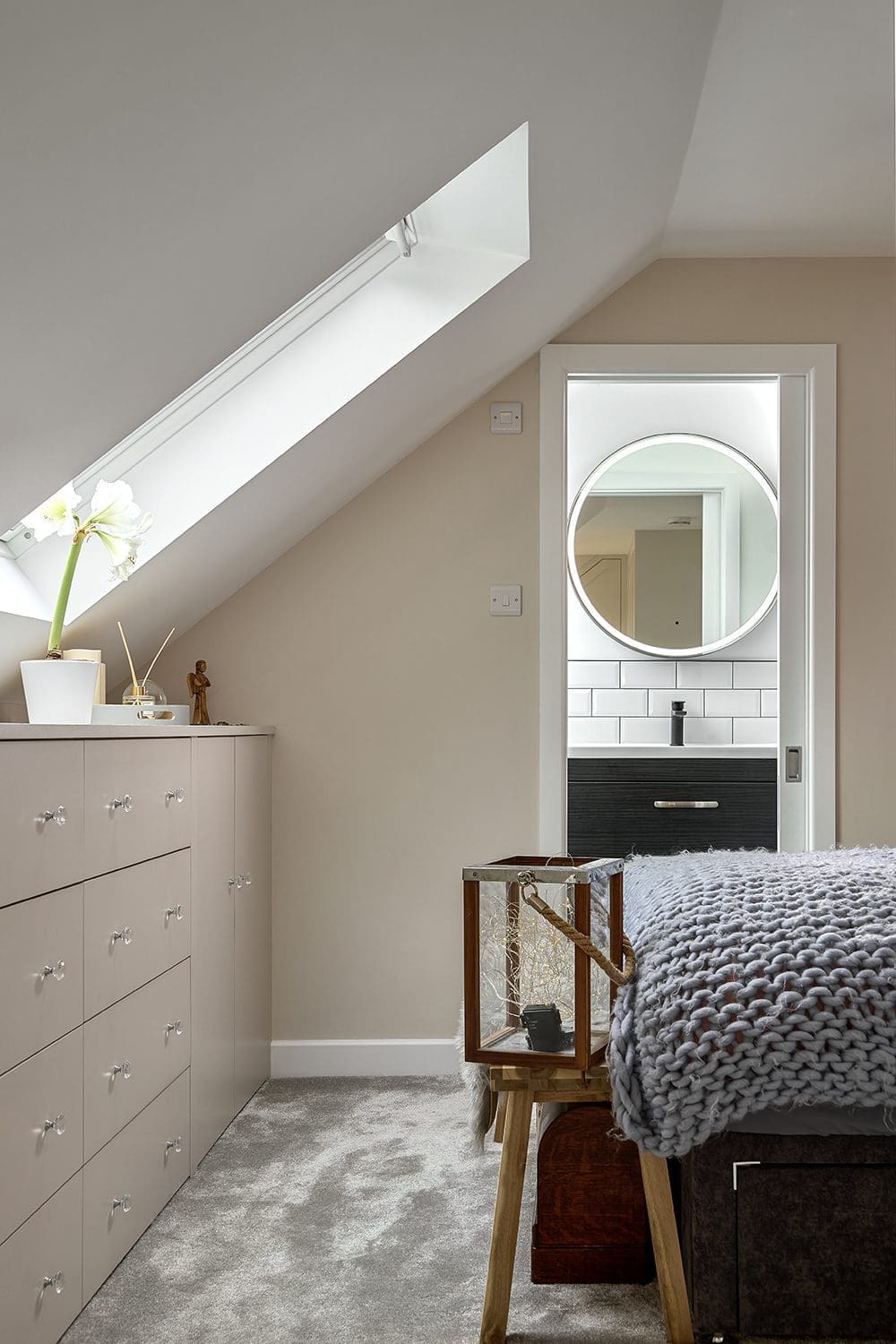
Because you’re building on top of an extension, you can often create a large new room such as a master bedroom with en-suite or even multiple rooms depending on the design layout.
3. Ideal for bungalows
For bungalow owners, this type of conversion can effectively transform a single-storey property into a two-storey home, dramatically increasing both space and property value.
4. Enhances property value
As touched on, adding usable square footage almost always increases a home’s value and market appeal, particularly when done in a way that blends seamlessly with the existing structure.
5. Flexible design potential
Piggyback loft conversions offer a range of design possibilities, including flat roofs, pitched roofs, or dormer-style additions.
Design consideration for a piggyback loft conversion
While piggyback conversions are versatile, careful planning is essential to get the best results. Below are some of the most important things to consider.
Structural integrity
The existing extension must be structurally capable of supporting an additional storey. In some cases, reinforcement or rebuilding of the original structure may be required.
Roof design & aesthetics
The new upper level should complement the existing property. Matching materials, rooflines, and proportions ensures the conversion looks cohesive rather than an afterthought.
Head height & ceiling space
Adequate head height is crucial for usability. If your current roof pitch is low, you may need to explore solutions to suit small and low ceiling loft conversions to maximise space effectively.
Access & staircase position
Positioning the staircase correctly is key to maintaining a functional layout that seamlessly flows across both floors.
Natural light
Incorporating roof windows, dormers, or Juliet balconies can help bring in natural light and prevent the space from feeling enclosed.
Planning Permission, Party Walls & Building Regulations
All loft conversions require careful planning and need to comply with regulations to be compliant. Here are the key factors that often apply to piggyback conversions.
Planning Permission
Piggyback loft conversions often require planning permission, particularly because they involve adding a new storey. This is especially true if the structure significantly alters the appearance of your home.
Party Wall Agreements
If your property is semi-detached or terraced, you will require a Party Wall Agreement with your neighbours before construction begins.
Building Regulations
All loft conversions must comply with UK Building Regulations, covering areas such as:
- Structural safety
- Fire safety and escape routes
- Insulation and energy efficiency
- Soundproofing
Working with an experienced loft conversion specialist ensures all requirements are met from the outset.

How much does a piggyback loft conversion cost?
The cost of a piggyback loft conversion can vary significantly depending on factors such as size, structural work, design complexity and the location of your property.
Key cost factors
- Structural work – If the existing extension isn’t strong enough, additional structural reinforcements will increase costs.
- Size and layout – Larger conversions with multiple rooms or bathrooms will naturally cost more than smaller or simpler layouts.
- Design complexity – Custom designs, premium materials, or unique architectural features will add to the overall price of the conversion.
- Location – Where your property is located can affect labour, materials, and planning costs. In general, loft conversions in London typically cost more than in other parts of the UK.
- Planning & professional fees – Architectural drawings, planning applications, and structural engineering costs should also be factored into the overall cost.
Typical cost ranges
- Smaller, basic layouts: £40,000 – £55,000
- Mid-sized spaces with an en-suite: £55,000 – £75,000
- Large, high-end or complex designs: £75,000 +
The figures above are given as an indication of the cost of a piggyback loft conversion. For anyone considering this option, The Loft Room offers a free consultation at your home and a free no-obligation quote with no hidden costs specific to your property.
Other similar loft types
If you’re considering a piggyback loft conversion, it’s worth comparing it with other popular types of loft conversions.
Hip-to-gable loft conversions
A hip-to-gable loft conversion extends the sloping side of a roof to create a vertical wall, increasing internal loft space.
Ideal for: Semi-detached and end-of-terrace homes with hipped roofs.
Mansard loft conversions
A Mansard loft conversion involves altering the roof structure to create a near-vertical wall and flat roof.
Ideal for: Maximising space in urban areas where planning permission is achievable.
Rear dormer loft conversions
A rear dormer loft conversion extends vertically from the existing roof slope, creating additional headroom and usable floor space.
Ideal for: Homes needing extra space without major structural changes.
Each option has its own advantages, and the right choice will depend on your property type, budget, and long-term goals.
Summary
A piggyback loft conversion is a smart and practical way to add significant living space by building on top of an existing single level structure. It’s particularly well-suited to bungalows, semi-detached, and end-of-terrace homes where expanding outward isn’t the ideal solution.
With benefits including increased space, improved property value, and flexible design options, it’s easy to see why this type of conversion is a popular choice. However, it’s important to carefully consider structural requirements, planning permissions, and costs before moving forward.
Ultimately, the right approach will depend on your property, your budget, and how you want to use the space — but with the right planning, a piggyback loft conversion can completely transform your home.
If you’re weighing up your options, we’re here to help! Our loft conversion specialists are happy to provide ideas and consult on the best options for your property type and long-term requirements. Email the team on info@the-loftroom.com or call 0800 002 9291 to arrange a free consultation to discuss how we can maximise your home’s potential.




