
Which loft conversion type is right for your home?
There are six main types of loft conversions dormer, mansard, l-shaped, hip-to-gable, Velux, and piggyback. The most suitable option for your home depends on the:
- Height of your roof – determines how much usable space can be created
- Shape and structure of your roof – affects which conversion types are feasible
- Type of property – detached, semi-detached, or terraced
- Available loft space – limits the size and layout of the conversion
- Local planning permission regulations – may restrict certain designs
- Budget – influences whether you choose a simple or larger-scale conversion
- Intended use of the space – e.g. master bedroom, home office, bathroom, or multiple rooms
Every home is unique, so no single type of loft conversion suits all properties. A member of the Loft Room Team will recommend the best option based on your property’s requirements.
What are the different types of loft conversions?

Rear Dormer Conversion
A rear dormer conversion involves adding a box-shaped structure to the back of the existing roof. This structure extends vertically from the roof slope, creating significantly more headroom and usable floor space inside the loft. It is one of the most popular types of loft conversions because it maximises internal space without drastically altering the front appearance of the property. Rear dormers can accommodate features such as larger bedrooms, bathrooms, or home offices, making them a practical solution for homeowners looking to expand.
Other Types of Dormer Conversions
Other dormer styles include side dormers, pitched dormers, and L-shaped dormers. Each of these dormers styles can be combined with another dormer to create a larger loft space. For more information on the types of dormers conversions, take a look at our blog.

Mansard Conversion
A Mansard conversion involves replacing one or both roof slopes with a nearly vertical wall (approximately 72 degrees) topped with a flat roof, creating a spacious, rectangular interior. This loft type is commonly found in terraced homes across London and is often preferred by their local planning departments, as it tends to be complement with the original architectural style of the area.
Although this type of conversion is typically the most expensive due to the structural work involved, it provides an excellent way to add a significant amount of usable space. The side walls are usually constructed from brick to seamlessly blend with the existing structure, while the rear façade is often finished with slate or tiles to match the property’s character.

Hip to Gable Conversion
This conversion extends a sloping (hipped) roof by building out a vertical wall (gable), increasing loft space and allowing for a more functional layout.
The new structure widens the loft area and improves headroom. This allows for more efficient room layouts and makes it easier to position furniture, storage, and stair access. Hip to gable conversions are often used as the first step in larger loft projects. They are commonly combined with rear dormer extensions to maximise the available space and create larger rooms.
The vertical gable wall also allows for larger windows, which can improve natural light and ventilation inside the loft.

L-Shaped Dormer Conversion
An L-Shaped Dormer conversion combines two dormer extensions set at right angles, creating a distinctive L-shaped loft layout. This design typically involves extending both the main roof and a rear extension, resulting in a larger, versatile loft space with increased headroom.

Velux Conversion
A Velux conversion, also known as a rooflight loft conversion, is one of the simplest ways to convert a loft into usable living space. This type of conversion involves installing skylight windows into the existing roof slope without altering the roof structure.
Because the roofline remains unchanged, the external appearance of the property is preserved. This makes Velux conversions particularly suitable for homes in conservation areas or locations where major structural changes may be restricted.

Piggyback Conversion
A piggyback loft conversion involves constructing a new roof structure on top of the existing one, effectively raising the overall roof height. By lifting the roof and building above the current structure, the loft can be transformed into a full upper floor with significantly more headroom and usable space.
This approach is typically used when the existing loft does not have enough height for a standard conversion. By increasing the roof height, the space can accommodate full-sized rooms with standard ceiling heights, making it feel more like a natural extension of the home rather than a converted attic.
Pitched Dormer Conversion
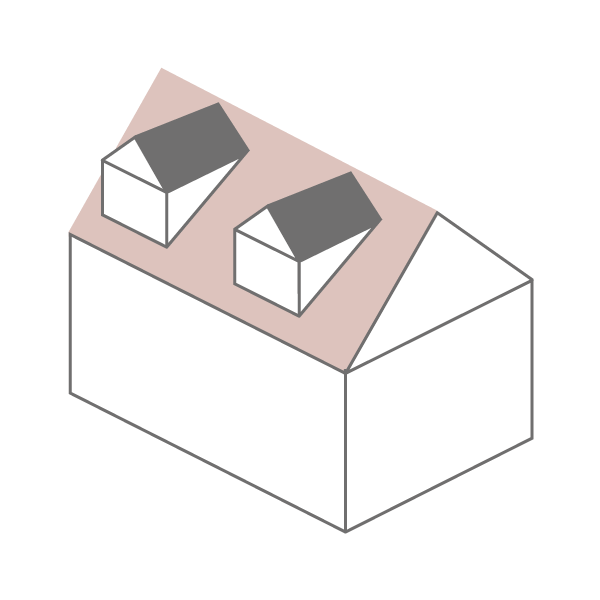
A pitched dormer conversion adds a small pitched-roof structure to the existing roof slope, increasing headroom and usable space while maintaining a traditional look. It blends well with the original architecture and provides better drainage than flat-roof dormers. This type of conversion is ideal for homeowners who want additional space without significantly altering the property’s overall roofline.
Side Dormer Conversion
A side dormer conversion adds a dormer structure to the side slope of the roof, creating extra headroom and usable floor space within the loft. It is particularly effective for homes with hipped or complex roof shapes, helping to open up smaller loft areas and improve the overall layout while allowing more natural light into the space.
Why not get in touch to discuss your possible loft conversion?