
A Guide to Different Types of Loft Conversion Windows
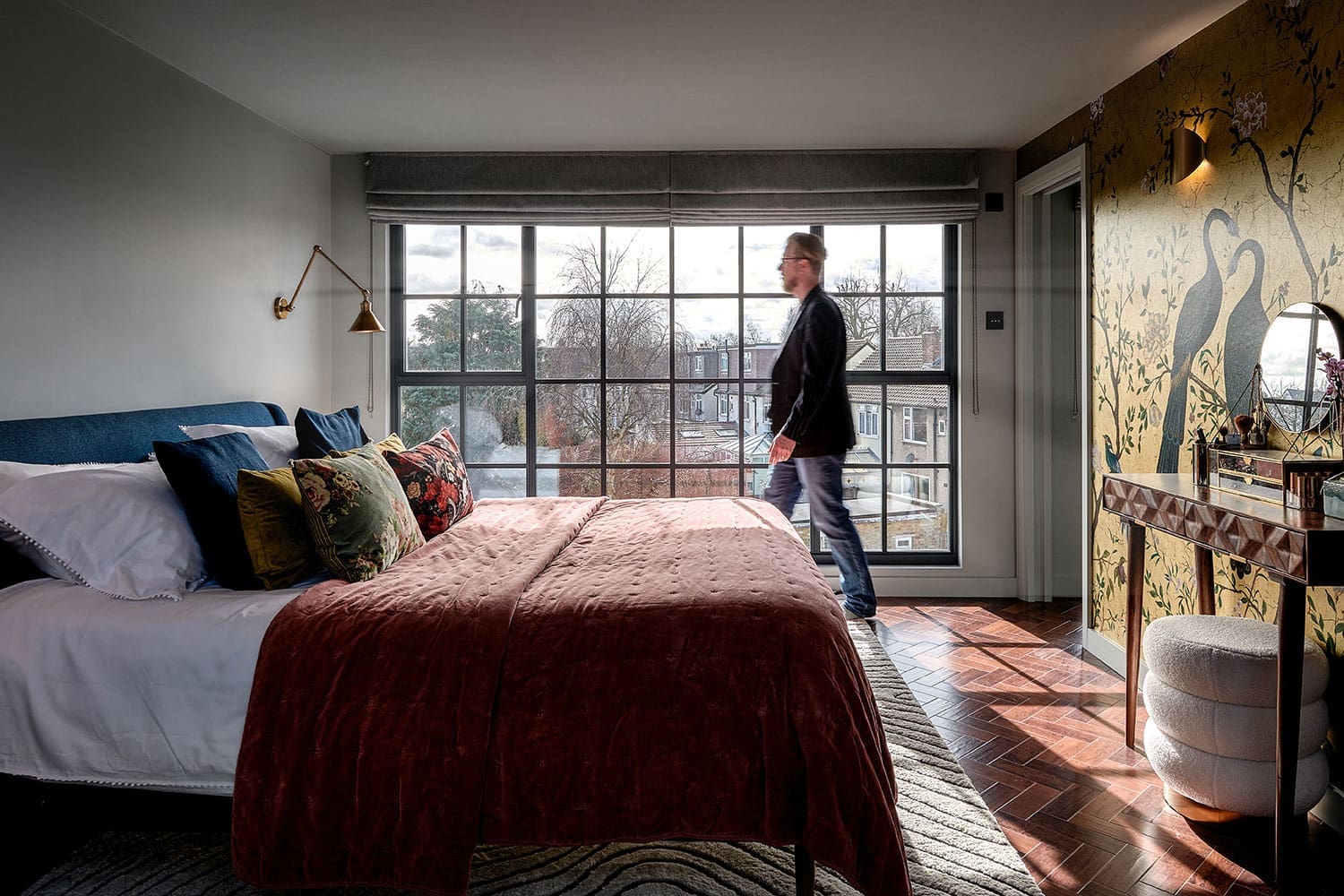
Choosing the right loft conversion windows is one of the most important decisions you’ll make when planning a loft conversion. The windows you select will directly influence how bright, comfortable and usable your new space feels, as well as its overall appearance inside and out. From maximising natural daylight to improving ventilation and even adding balcony access, today’s windows for loft conversions offer far more than simple functionality.
This guide is designed for homeowners who want clear, practical advice on the available loft windows in the UK and their differences. We’ll explore what to consider before choosing your windows and explain the most common window types to help you make confident, informed decisions for your project.
What to consider when choosing your loft windows?
Every loft is different, so there’s no one-size-fits-all solution. Before selecting your windows, it’s worth thinking about the following key factors:
- Roof shape and loft type – The style of your loft conversion (dormer, hip-to-gable, mansard, Velux or piggyback) will influence which windows are suitable.
- Window placement – Consider where daylight is most needed and how the sun moves across your property throughout the day.
- Natural light levels – Larger or multiple windows can transform darker lofts, especially in homes with limited roof height.
- Ventilation – Windows that open are essential for airflow, temperature control and preventing condensation.
- Privacy – Window position and size should respect neighbouring properties and offer you both enough privacy, particularly in built-up areas.
- Planning and building regulations – Some window types may fall under permitted development, while others may require planning permission.
- Aesthetics and kerb appeal – Windows should complement the style of your home, both internally and externally.
- Budget – Costs vary depending on window size, type, glazing specification and installation complexity.
Taking the time to balance these considerations will help ensure the windows for your loft conversion project delivers both style and practicality.
Types of Loft Conversion Windows
The table below outlines the most popular window options used in loft conversions, along with their defining features and benefits.
| Window Type | Key Features | Core Benefits |
|---|---|---|
| Velux / Roof Windows | Installed flush with the roof slope; typically centre-pivot or top-hung | Excellent natural light, cost-effective, ideal if not altering the roof structure. |
| Floor to Ceiling Windows | Full-height glazing, often combined with doors or Juliet balconies | Maximises daylight, creates a modern look, ideal for large loft spaces |
| Dormer / Casement Windows | Vertical windows set into a dormer structure | Increased headroom, flexible sizing, great ventilation |
| Gable End Windows | Fitted into the gable wall of a property | Allows large window openings, ideal for hip-to-gable loft conversions |
| Juliet Balconies | Full-height doors with protective balustrade | Floods the loft with light, offers the feel of nature without outdoor access |
| Conservation Rooflights | Slim-profile roof windows designed for period homes | Maintains traditional appearance, often suitable for conservation areas |
| Sun Tunnels | Reflective tubes that channel daylight into tight spaces | Ideal for bathrooms or stairwells with limited roof access |
Below, we look at each option in more detail.

Velux / Roof Windows
Roof windows, commonly known as Velux-style windows, sit within the roof slope and are one of the most popular choices where maintaining the existing roofline is important. They provide excellent daylight and ventilation, especially when multiple windows are used strategically.
A loft conversion with Velux windows can often be completed under permitted development, making this option both popular and cost-effective.
Floor to Ceiling Windows
For homeowners seeking a striking, contemporary finish, floor to ceiling windows in a loft conversion create a real wow factor. These large glazed panels are often incorporated into dormers or gable ends and are ideal for maximising views and daylight.
A loft conversion with large windows can make the space feel more like a high-end living area than an attic, particularly when used in master bedrooms or open-plan loft rooms.
Dormer Windows / Casement Windows
Dormers extend vertically from a pitched roof, creating additional internal space as well as allowing for standard casement windows. Loft conversions with dormer windows are extremely versatile, offering more headroom, improved usability and flexibility in window sizing.
They’re particularly well-suited to family homes where the loft will be used as a bedroom, office or bathroom.
Gable End Windows
If your property has a gable wall, gable end windows are an excellent way to introduce generous amounts of light. A loft conversion gable end window can often be larger than roof windows and works especially well in semi-detached or detached homes.
These windows can be styled to match the rest of the property while delivering a bright, airy interior.
Juliet Balconies
Juliet balconies combine full-height glazed doors with a slim external balustrade. They don’t provide a walk-out space, but they create the illusion of openness and dramatically increase daylight.
Many homeowners choose a loft conversion with a Juliet balcony for bedrooms or living spaces where views and light are a priority.
Conservation Rooflights
Designed to suit period properties and homes in conservation areas, conservation rooflights have a traditional appearance with slim frames and a flush finish. They’re ideal where standard loft roof windows might not be approved, helping preserve the character of older homes.
Sun Tunnels
Sun tunnels are a clever solution for areas where conventional windows aren’t practical. By channelling daylight through a reflective tube, they’re perfect for bathrooms, hallways or stairwells within loft conversions that lack direct roof access.
Summary
Well-chosen loft windows can transform a dark attic into a bright, comfortable room that adds real value to your home. Selecting the right loft conversion windows is about balancing light, ventilation, design and compliance with regulations. Whether you’re planning a Velux loft conversion or a bold design featuring floor-to-ceiling glazing, understanding your options will help you get the most from your space.
If you’re planning a loft conversion or looking for inspiration, our gallery is a great place to see our work first hand and collect ideas for your property. If you’d like to discuss your project further, contact The Loft Room for advice and to arrange a free, no-obligation quote.
FAQs
How many Velux windows should you have in a loft conversion?
There’s no fixed rule, but as a general guideline, glazing should account for around 20% of the floor area to provide sufficient daylight. The number of Velux windows needed depends on room size, orientation and roof layout. Larger spaces often benefit from multiple roof windows rather than a single opening.
What are the rules for windows in a loft conversion?
Windows must comply with UK Building Regulations, covering aspects such as fire safety, ventilation, insulation and escape routes. For example, habitable rooms usually require an egress window of a minimum size. Planning rules may also apply depending on window type and property location.
How much does it cost to fit a loft window?
Costs vary depending on the window type and complexity of installation. Basic roof windows (Velux) are typically the most affordable, while large loft windows or bespoke glazing solutions will cost more. Installation, scaffolding and finishing work should also be factored into the budget.
Do I need planning permission for loft conversion windows?
Many loft windows fall under permitted development, particularly roof windows that don’t project beyond the roof slope. However, dormer windows, floor-to-ceiling glazing or properties in conservation areas may require planning permission. It’s always best to check with your local authority or loft conversion specialist before proceeding.




